 Abstract: Doctoral school on “Buddhism and Silk Culture” features Stuart Young as a guest lecturer. The course aimed to enhance the PhD researchers’ understanding of key questions pertaining to the role of Buddhism in these contexts. While offering a thorough analysis of essential text material in the Chinese medieval period, the instructor, assisted by the organizers, will also introduce specific methodologies of research in medieval Chinese Buddhism, from an East Asian historical, as well as from a religious perpsective.
Venue: het Pand, Onderbergen 1, 9000 Gent
- DAY 1: Monday 28 May, 2018 (lunch break 12:00-13:30)
09:30: Welcome of the participants by the Doctoral School organizers (Ann Heirman, Christoph Anderl)
10:00 – 12:00: Course overview: Buddhism in the silk cultures of medieval China; The Chinese history, technology, and vocabulary of silk and sericulture* (lecture, with active participation)
12:00 – 13:30: lunch break
13:30 – 15:30: Research sources primary and secondary, textual, visual, and material; Archaeology of Chinese Silk, Dunhuang 敦煌 and Famensi 法門寺 (interactive presentation and discussion of sources)
- DAY 2: Tuesday 29 May, 2018 (lunch break 12:00-13:30)
10:00 – 12:00: Vinaya and material culture (Ann Heirman)* (lecture with active participation)
12:00 – 13:30: lunch break
13:30 – 15:30: Silk in the Vinaya (disciplinary monastic rules) and Chinese Vinaya Commentaries (1: Dharmaguptaka)
- DAY 3: Wednesday 30 May, 2018 (lunch break 12:00-13:30)
10:00 – 12:00: Silk in the Vinaya and Chinese Vinaya Commentaries (2: Sarvāstivāda and Mahīśāsaka)
12:00 – 13:30: lunch break
13:30 – 15:30: Discussion with students, Q+A
- DAY 4: Thursday 31 May, 2018 (lunch break 12:00-13:30)
10:00 – 12:00: Daoxuan’s 道宣 (596-667) Xingshi chao 行事鈔 commentary on the silk bedding precept
12:00 – 13:30: lunch break
13:30 – 15:30: Daoxuan’s commentaries in comparison with Dajue大覺 (fl. 712)
- DAY 5: Friday 1 June, 2018 (lunch break 12:00-13:30)
10:00 – 12:00: Chinese views of silk in India: travelogues, hagiographies, miracle tales (1)
12:00 – 13:30: lunch break
13:30 – 15:00: Chinese views of silk in India: travelogues, hagiographies, miracle tales (2)
15:00 – 16:00: Final discussions with students (Stuart Young, Ann Heirman, Christoph Anderl)
* Lectures also suitable for a more general audience (including PhD students of (art) history, etc.)
This doctoral school was generously sponsored by the Tianzhu Buddhist Network.
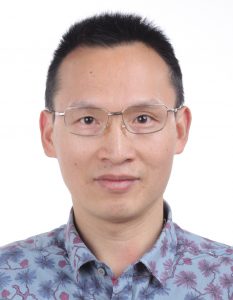 Length of Stay: March 23-May 25
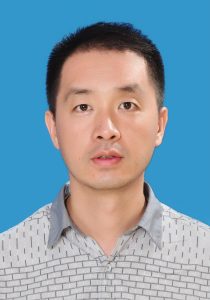 Length of Stay: April 3-June 29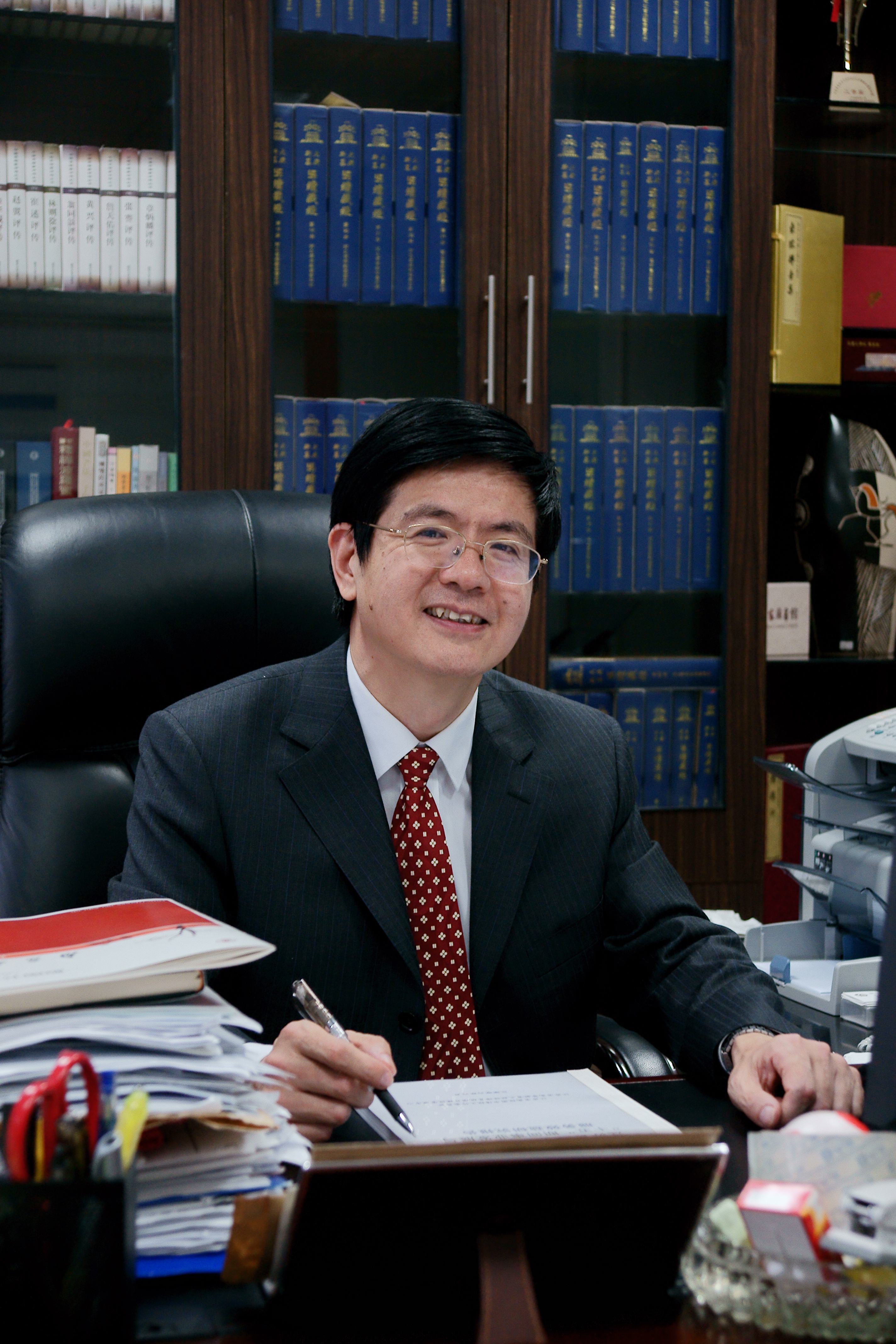
 Dr. Georgios T. Halkias is a specialist on Tibetan forms and practices of Buddhism in Tibet, Central Asia and the NW Himalayas. He completed his MA (Comparative Philosophy) at the University of Hawai‘i and his DPhil (Oriental Studies) at the University of Oxford. He is currently an Assistant Professor of Tibetan Buddhism at the Centre of Buddhist Studies, the University of Hong Kong. He has held several research posts at the Warburg Institute, at Ruhr-Universität Bochum, and has been a British Academy Post-doctoral Fellow at SOAS, University of London. Dr. Halkias has authored many publications including a substantial monograph on the history and development of Pure Land Buddhism in Tibet, Luminous Bliss: a Religious History of Pure Land Literature in Tibet. With an Annotated Translation and Critical Analysis of the Orgyen-ling golden Small Sukhāvatīvyūha-sūtra (Hawaii: University of Hawai‘i Press 2012) and various articles and book chapters. Dr. Halkias is currently researching the translation history of Buddhism in Tibet.