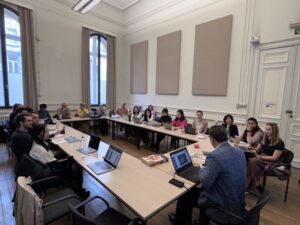
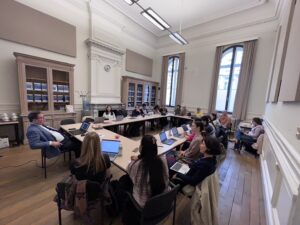
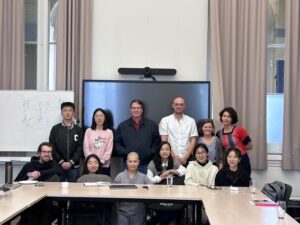
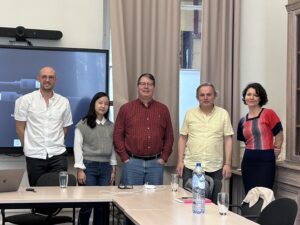
Dr. Yi Ding received his bachelor’s degree from Fudan University (2008) and his PhD in Religious Studies from Stanford University (2020). He is currently Assistant Professor at DePaul University.
As a scholar of Chinese and Tibetan Buddhism, he has published several articles that deal with Buddhist materials from Dunhuang and Sino-Tibetan Buddhism. As a voluntary researcher at Ghent, he works on finalizing a book manuscript that focuses on various forms of Buddhist feasts and observances in medieval China.
The meeting of the research forum of the GCBS will take place this afternoon at 4 pm.
This time we have two presentations:
Elias Bouckaert: “Medico-religious “Five Viscera” 五臓論 Manuscripts in Edo Period Japan”
Paride Stortini: “Between Modern Pilgrimage and Migration: Religious Embodiment in a Photographic Collection of Japanese Sex Workers in Southeast Asia at a Buddhist Temple in Shimabara”
Between 7 and 23 November 2023, our researchers Dr. Anna Sokolova and Massimiliano Portoghese conducted a period of academic fieldwork and scholarly engagement in Taiwan.
During this time, they were invited to present their research at the 2023 DRGPA Conference (Documenting and Researching Gravesites in Pacific Asia), held at National Kaohsiung University (國立高雄大學). The invitation was extended by Professor Oliver Streiter. Massimiliano’s presentation, entitled “How to Treat a Dead Body: The Introduction of Buddhist Funerary Practices in Six Dynasties (220–589) China”, explored early Buddhist mortuary rituals in China and the cultural tensions surrounding the treatment of the body after death during the Six Dynasties period. Anna’s talk, titled “Stone Epigraphy as a Historical Source of Material on Death Rituals in Tang Dynasty China”, highlighted how inscribed stone stelae provide insight into funerary practices and cultural attitudes toward death in Medieval China.
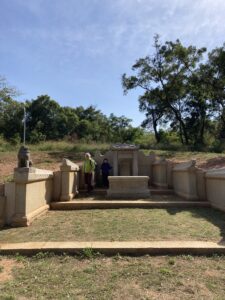
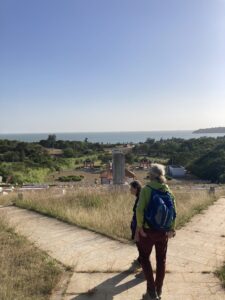
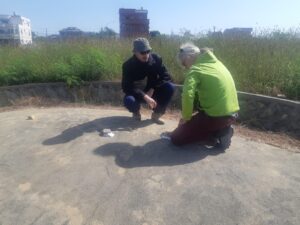
In conjunction with the conference, Anna and Massimiliano also participated in a four-day fieldwork training session on Kinmen Island (金門). This practical component of the DRGPA program provided valuable hands-on experience in grave documentation and analysis, offering new methodological insights.
In addition to the conference and field training, Massimiliano was honored to be invited by Professor Lin Peiying to deliver a guest lecture at National Chengchi University (政治大學). The lecture, titled “Etiquette of Bodily Postures in Ancient and Early Medieval China: Debates on Sitting Positions,” was presented as part of the MA course “Buddhism and Society.” The session was well attended and stimulated a lively discussion on the ritual and symbolic dimensions of bodily comportment in premodern Chinese religious and philosophical traditions.
This trip provided Anna and Massimiliano with an invaluable opportunity to share their research with a broader academic audience, receive constructive feedback, and develop interdisciplinary connections. Moreover, the fieldwork in Kinmen significantly enhanced their practical understanding of burial contexts and material evidence.
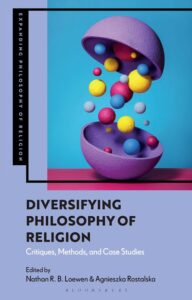
Much philosophical thinking about religion in the Anglophone world has been hampered by the constraints of Eurocentrism, colonialism and orientalism. Addressing such limitations head-on, this exciting collection develops models for exploring global diversity in order to bring philosophical studies of religion into the globalized 21st century.
Drawing on a wide range of critical theories and methodologies, and incorporating ethnographic, feminist, computational, New Animist and cognitive science approaches, an international team of contributors outline the methods and aims of global philosophy of religion. From considering the importance of orality in African worldviews to interacting with Native American perspectives on the cosmos and investigating contemplative studies in Hinduism, each chapter demonstrates how expertise in different methods can be applied to various geographical regions, building constructive options for philosophical reflections on religion.
Diversifying Philosophy of Religion raises important questions regarding who speaks for and represents religious traditions, setting the agenda for a truly inclusive philosophy of religion that facilitates multiple standpoints.
List of Figures
Notes on Contributors
Acknowledgements
Introduction, Nathan Loewen and Agnieszka Rostalska
Part I. Critique and Methods
1. Deprovincializing Philosophy of Religion: from “Faith and Reason” to the Postcolonial Revaluation of Religious Epistemologies, Jacob Sherman
2. Postcolonialism and the Question of Global-Critical Philosophy of Religion, Andrew Irvine and Purushottama Bilimoria
3. Why Philosophers of Religion Don’t Need “Religion”- At Least Not for Now, Tim Knepper
4. Re-envisioning Philosophy of Religion from a Feminist Perspective, Morny Joy
5. Is Philosophy of Religion Racist?, Sonia Sikka
6. Philosophy of Religion beyond Belief: Thinking with Anthropology’s New Animists, Lisa Landoe-Hedrick
7. Theory and Method in the Philosophy of Religion in China’s Song-Dynasty, Leah Kalmanson
8. The Theory and Practice of the Multi-Entry Approach, Gereon Kopf
9. Comparison of Religious Ideas in Philosophy of Religion, Robert Neville
10. The Relevance of Scriptures, Steve Smith
Part II. Case Studies
11. Ethnographically Informed Philosophy of Religion in a Study of Assamese Goddess Worship, Mikel Burley
12. Praxis, Louis Komjathy
13. Nishida Kitaro’s ‘I and Thou’ through the Work of Jessica Benjamin: Toward the Issue of Equality, Mayuko Uehara
14. The Nguni traditional ‘religious’ thoughts: The Isintu philosophy of the Zulu/Ndebele, Herbert Moyo
15. Approaching a Lakota Philosophy of Religion, Fritz Detwiler
16. Yasukuni, Okinawa and Fukushima: Philosophy of Sacrifice in the Nuclear Age, Ching-Yuen Cheung
17. Technology and the Spiritual: From Prayer Bots to the Singularity, Yvonne Förster
18. Can you see the seer? Approaching Consciousness from an Advaita Vedanta Perspective , Varun Khanna
19. The Danger in Diversifying Philosophy of Religion, Kevin Schilbrack
The idea of writng this book stemmed out from the need to rethink an excavation carried out in Kathmandu in years now distant from the people who took part in it and even more distant from the recent history of Nepal. Today the Valley of Kathmandu is a profoundly different place from what it was in the 1980s, and in many ways unrecognisable. The idea of the book, however, is also due to the long-term consequences of the situation created in Italy between 2008 and 2011, the year in which the Istituto Italiano per l’Africa e l’Oriente (IsIAO), sonship of the Istituto Italiano per il Medio ed Estremo Oriente (IsMEO), closed down. The latter had been established in 1933 by Giovanni Gentile and then directed for a long time by Giuseppe Tucci. Both Institutes, as far as field activities in Asia were concerned, were in close relationship with the Museo Nazionale di Arte Orientale, where the documentation of the excavations was deposited, in particular the graphic and photographic material (drawings of all kinds, negatives and prints). In 2016 the Museum left its headquarters in the very central Via Merulana in Rome and was joined to the Museo Nazionale Preistorico Etnografico Luigi Pigorini, merging into the new Museo delle Civiltà, where today the largest part of the documentation of the archaeological undertakings of the past is kept, waiting to be rearranged and made usable.
The first English translation of the oldest extant work in Apabhramsha, a literary language from medieval India, recounting the story of the Ramayana.
The Life of Padma, or the Paümacariu, is a richly expressive Jain retelling in the Apabhramsha language of the famous Ramayana tale. It was written by the poet and scholar Svayambhudeva, who lived in south India around the beginning of the tenth century. Like the epic tradition on which it is based, The Life of Padma narrates Prince Rama’s exile, his search for his wife Sita after her abduction by King Ravana of Lanka, and the restoration of his kingship.
The second volume recounts Rama’s exile with Sita and his brother Lakshmana. The three visit various cities—rather than ashrams, as in most versions; celebrate Lakshmana’s marriages; and come upon a new city built in Rama’s honor. In Dandaka Forest, they encounter sages who are masters of Jain doctrine. Then, the discovery of Sita’s disappearance sets the stage for war with Ravana.
This is the first direct translation into English of the oldest extant Apabhramsha work, accompanied by a corrected text, in the Devanagari script, of Harivallabh C. Bhayani’s critical edition.
In the last several years, fantastic manuscript finds have surfaced opening new windows into the scholarly study of the development of Buddhist literature. Gandhāra Corpora represents a multifaceted, holistic approach to the study of an important and voluminous genre of manuscript witnesses from an early era of Buddhist textual transmission composed mainly in Sanskrit in the Gilgit/Bamiyan type scripts from the historic region of Greater Gandhāra covering modern day Afghanistan, Pakistan, and parts of Northern India. This project centers on the study of large, recently discovered caches of highly significant early Buddhist manuscripts and their place in the body of works from Greater Gandhāra. The philological, paleographical, codicological, and critical research conducted in this project will examine textual and material production, transmission, and relationship networks in the Buddhist manuscript cultures of Greater Gandhāra and beyond in the first millennium of the Common Era.
Abstract: Representation, a vital concept in accounting for how we perceive and engage with the world, has emerged as a significant subject across various fields, including anthropology, philosophy, religious studies, cultural studies, cognitive science, and visual culture. Focusing specifically on Asian religions, philosophy, and aesthetics, this course explores profound existential and ethical inquiries that have played a formative role in shaping and impacting those societies.
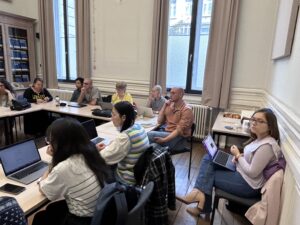
We are glad to announce our upcoming one-week Doctoral School “Systems of Representation in Asian Religious and Philosophical Traditions” and encourage interested students in applying to attend.
October 9th – 13th, 2023.
Venue: De Abt Meeting Center Ghent.
Organizers (Ghent Univ.)
Prof. Dr. Christoph Anderl,
Prof. Dr. Daniela De Simone,
Dr. Henry Albery.
Primary instructor:
Prof. Dr. Robert Yelle (Interfaculty Programme for the Study of Religion, Ludwig-Maximilians-University Munich)
Supporting instructors
Dr. Polina Lukicheva (Institute of Asian and Oriental Studies, University of Zurich)
Dr. Henry Albery (Junior Postdoctoral Fellow, Fonds Wetenschappelijk Onderzoek (FWO), Department of Language and Cultures, Ghent University)
Dr. Juen Chien (Assistant Professor, Department of Buddhist Studies, Fo Guang University, Taiwan)
Prof. Dr. Christoph Anderl (Prof. of Chinese Language and Culture, Department of Languages and Cultures, Ghent University)
Registration
Ghent PhD students: Registration through the Doctoral Schools website
External participants: Please send an application to christoph.anderl@ugent.be. The Doctoral School accepts the participation of up to five external PhD researchers. Applicants should attach a short CV and letter of motivation to the email. For the accepted students, a fee waiver will apply. Application deadline: Sept. 10th.
Course description
Representation, a vital concept in accounting for how we perceive and engage with the world, has emerged as a significant subject across various fields, including anthropology, philosophy, religious studies, cultural studies, cognitive science, and visual culture. Focusing specifically on Asian religions, philosophy, and aesthetics, this course explores profound existential and ethical inquiries that have played a formative role in shaping and impacting those societies.
The objective of the course is to offer a systematic study of systems of representation and symbolism within Asian thought and practice and provide students with a cutting-edge conceptual apparatus in semiotics and anthropology, enhancing their theoretical grounding through an introduction to key concepts from these disciplines. It shall examine the evolution of systems of representation and their function in conveying complex concepts in different historical contexts and communities, providing the students with both a specialised knowledge in the history and cultural contexts of the regions considered, whilst fostering a comprehensive understanding of the terminologies and histories of specific forms of representation. Through an interrogation of fundamental theoretical frameworks, case studies, and analyses of textual and visual materials, the course is designed to equip students with the analytical, methodological and theoretical skills for usage in their research.
This course is specifically designed for doctoral students specialising in Buddhist studies and related fields which focus on the cultural traditions of Asia. It offers a deep exploration into the working of systems of representation and symbolism within specific cultural frameworks, illuminating their role in shaping existential and ethical attitudes and conveying religious and philosophical ideas. Through such an exploration, students will develop a new conceptual lens with which they shall nuance their understanding of the traditions they study.
The course covers a wide range of topics within the field, from establishing and exploring theoretical frameworks for studying the complexities of representation to examining concrete case studies. It includes the analysis of textual and visual materials, alongside an investigation into the terminology and history of concepts pertaining to the problematics of representation, e.g.:
• Multifaceted perspectives on representation: ontological assumptions, cognitive processes, and communicative functions;
• Symbolic systems and the construction of meaning: unravelling layers and referential dynamics in representation, such as pragmatic versus semantic functions;
• Representation and Transcendence: investigating the interactions between the perceived and unperceived, the sign and signlessness, form and formlessness and meaning and meaningless in ritual, meditative and aesthetic practices;
• Analysing terminology and concepts of representation: exploring philosophical theories and primary sources (including accounts on meditation, visualization, observation and contemplation. e.g., the conceptual history of guan 觀) and Buddhist theories of mind, perception and cognition;
• Representation and Aesthetics: exploring the intersection of artistic expression and (religious) symbolic systems;
• Exploring symbolism in Buddhist ritual practices and arts and the significance of (the representation of) the Buddha’s body.
Programme
Monday 9th October: Theories of representation
10.00 Welcome (Christoph Anderl and Daniela De Simone)
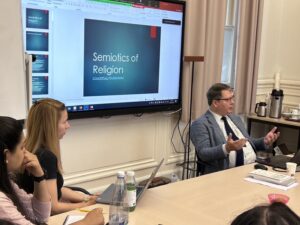
10.00-12.00 Lecture: “Conceptual Foundations of a Semiotics of Religion” * (Robert Yelle)
12.00-13.30 Lunch
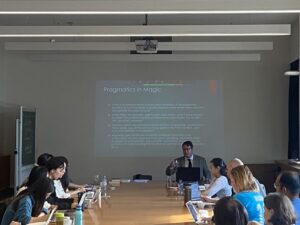
13.30-15.00 Lecture: “From Semantics to Pragmatics in the Semiotics of Religion” (Robert Yelle)
15:00-15:15 Coffee break
15.15-16.30 Lecture: “Representation: Bridging the Gap Between Idealism and Realism” (Polina Lukicheva)
Tuesday 10th October: Methodological applications
10.00-12.00 Lecture: “The Semiotics of Ritual Performance” * (Robert Yelle)
12.00-13.30 Lunch
13.30-16.00 Source analysis: Case Studies from Ritual Traditions (Robert Yelle)
Wednesday 11th October: Perspectives from South Asia
10.00-12.00 Lecture: “The Structure and Function of Mantras” * (Robert Yelle)
12.00-13.30 Lunch
13.30-14.30 Source analysis: Case Studies from Selected Hindu and Buddhist Texts (Robert Yelle)
14:30-15:50 Coffee break
14.50-16.30 Student presentations (Moderator: Robert Yelle)
Thursday 12th October: Meditation traditions of Central and East Asia
10.00-12.00 Source analysis: “Semiotic Ideology and Buddhist meditation in Central Asia” (Henry Albery)
12.00-13.30 Lunch
13.30-16.00 Source analysis: “Mental representation in Yogācāra and Chan: the case of the three natures and guan 觀” (Chien Juen and Polina Lukicheva)
Friday 13th October: Representation and Narrative in Dunhuang
10.00-12.00 Source Analysis: Text-Image relations in the narration of Buddha’s life in Dunhuang Cave 61 (Christoph Anderl)
12.00.13.30 Lunch
13.30-15.30 Student presentations (Moderator: Christoph Anderl)
15.30-16.00 Closing discussion
Reading materials: A list of recommended reading materials will be sent to the participants ca. three weeks prior to the beginning of the Doctoral School.
Note: Lectures marked with * are planned to be open to the general public and will be broadcast via Zoom. After registration for the public lectures (via email to christoph.anderl@ugent.be), a Zoom link will be sent.
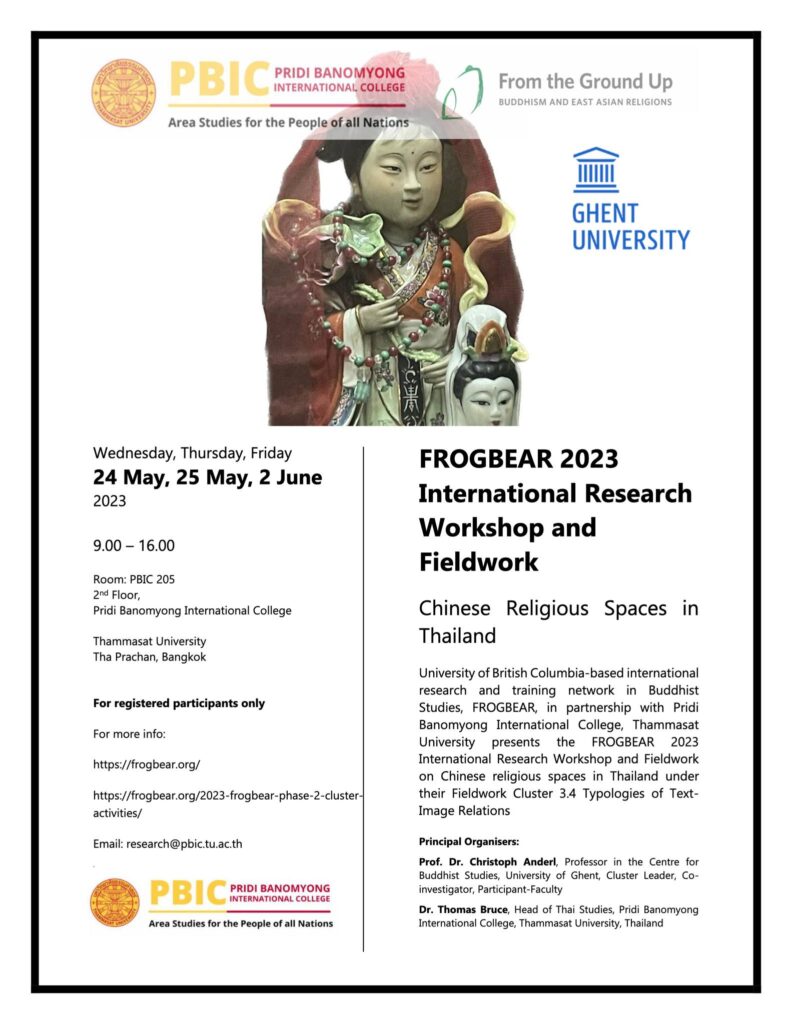
Within the framework of 2023 FROGBEAR Phase 2 Cluster Activities, the leaders of Cluster 3.4 Typologies of Text-Image Relations organized International Research Workshop and Fieldwork “Chinese Religious Spaces in Thailand”.
Dates: May 24–June 2, 2023.
Cluster leaders: Christoph Anderl, in collaboration with Marcus Bingenheimer, Oliver Streiter, Tzu-Lung Melody Chiu, and Ngar-sze Lau.
Site(s): Chinese temples in Bangkok, Thailand.
Language(s): English; knowledge of Chinese is desirable; language support for Thai will be provided.
Summary:
Chinese temples in Thailand (and many other locations in South and Southeast Asia) give witness to the complex history of the spread of Chinese Buddhism, and the co-existence of various forms of Buddhism in that area. In the context of Thailand – although characterized by a dominance of Theravada Buddhism – there is a large number of Chinese temples especially in the Bangkok area, most of them clustering in and around Chinatown. Despite their Chinese heritage, many agents associated with the temples (monastics and laypeople) have fully integrated in Thai society and do not speak Chinese anymore (this seems to be a feature quite different from Chinese religious institutions in other countries where even after several generations the Chinese linguistic heritage is preserved). The temples still play a significant role for the religious and cultural life, as well as the identity, of communities with Chinese ancestors. Naturally, most of the temples cluster in and around Chinatown of Bangkok. This contemporary function of these religious institutions will be one focus of the fieldtrip, and we aim to document as many temples as possible with photographic (including 3D survey images) and video materials.
In addition, we will focus on a specific aspect of material culture extant in many of these temples, concretely, inscriptional / epigraphic materials. Chinese immigration to Southeastern locations started several hundred years ago, and the earliest inscriptions date back to the 17th century. In our work, we will focus on inscriptions predating the 19th century. Here, we build on the monumental work of Wolfgang Franke who in 1998 published a survey of epigraphic materials in Thailand. In our fieldwork, we aim to both trace Franke’s documented materials in the contemporary temples, document them with high-resolution images, in addition to complementing the records of Franke.
This will also enable us to gain an impression of the current condition of these materials, and their significance for religious practices and for the heritage / touristic activities of the individual temples. We will not only document materials in Chinese but also in Thai (or other languages such as Pali).
Participants and collaborators
The field trip is organized by Christoph Anderl (Ghent University), in collaboration with Marcus Bingenheimer, Oliver Streiter, Yoann Goudin, Elsa Ngar-sze Lau, and Chiu (Melody) Tzu-Lung. Without the immense preparatory work of and their vast experience in documenting Chinese temples in Taiwan and South and Southeast Asia of Bingenheimer, Streiter and Goudin, this fieldwork would not be possible. In addition to these specialists, we will be accompanied by ca. fifteen graduate students and PhD researchers from various universities, working in five groups. Each group will also include one local translator.
We are also in the fortunate situation to be supported by the Bangkok based Thammasat University who will help with the logistics and provide expertise for the training sessions and the fieldwork. Thammasat representatives will also accompany some of the fieldwork groups. We are especially indebted to Thomas Bruce, Paul McBain, John Johnston, and Ornthicha Duangratana for their support.
Schedule
May 23
Arrival of the participants
May 24 (Thammasat) 10:00-10:20 Christoph Anderl: “Welcome and brief introduction” / Welcome by Thammasat representative 10:20-10:50 Marcus Bingenheimer: “Chinese temples Bangkok – a survey” (lecture) 10:50-11:30 Paul Mcbain: “Introduction to reality scan, reality capture, 360 cameras, matterport” (training) 14:00-14:40 Oliver Streiter: “Following the Traces of Wolfgang Franke in Thailand: Impressions, insights and questions from out fieldwork in 2019 and 2023” (lecture) 14:40-15:20 Elsa Ngar-sze Lau: “Doing ethnographic research at religious site: observation and interview” (lecture) 15:40-17:00 Marcus Bingenheimer / Oliver Streiter: “Introduction to temple documentation, data collection, data input” (training / discussions)
May 25 09:00-12:30 FIELD WORK 1 in five groups 14:30 Gathering at Thammasat 14:30-15:20 John Johnston: “Contemporary Developments in Thai Buddhist Material Culture.” (lecture) 15:20-16:00 Melody Tzu-Lung Chiu: “Fieldwork practices and experiences in transnational Buddhist temples: Taiwan, Mailand China, Myanmar and Thailand.” (lecture) 16:00-16:40 Oliver Streiter: “How to identify objects (e.g., deities and symbols) in Chinese temples?” (training) 16:40-ca.18:00 Questions and discussion: Our experiences during the first fieldwork day
May 26 / 27 / 28 / 30 / 31 / June 1
09:00-17:00 FIELD WORK in five groups / work on fieldwork data
June 01 18:30-20:00 Lectures at Siam Society Bangkok
June 02 10:00-11:00 Paul Mcbain: “From a Buddhist utopia to a secular paradise: tracing changing ideals of the city of Bangkok from 1800-the present.” (lecture) 11:00-16:00 Final gathering and group reports / discussion of fieldwork data / Q&A / socializing)
Below is a field report by team member Massimiliano Portoghese, PhD student at the Ghent Centre for Buddhist Studies.
Beyond Chinese Epigraphy in Bangkok: Spaces, Cults and Communities
In the English language, a sacred confined space for religious practice may be defined by the general descriptive term “temple.” However, everyday Thai language makes a clear distinction between a Buddhist monastic temple (Th. wat วัด), mostly belonging to Theravada institutions, and an alternative place of worship designed as a temple but not necessarily associated with just one religious tradition (Th. sanchao ศาลเจ้า). The latter often displays very syncretic trends drawing from Daoist, Buddhist, and local tutelary Chinese deities’ background. Moreover, it is always characterized by the absence of a residential monastic community.
Following the considerable flow of migration of several Chinese dialect communities (Teochew, Cantonese, Hakka, Hainanese, and Hokkien) to Siam from the seventeenth to the twentieth centuries, a large number of Chinese sanchao were established in the Bangkok metropolitan area. These religious sites were naturally linked to the cult of Chinese deities, and their distribution reveals the geographic development of Chinese merchant communities in Bangkok throughout the years (Ho 1995). Nowadays, these temples still play a significant role in Thailand’s religious and cultural life, as they have gained an established position within Bangkok’s social dynamics. Besides their religious functions, they also play a very important role in developing social connections. The widespread creation of associations (she 社) and charitable foundations linked to these temples have regularly helped local communities by building schools or providing medical support in difficult times. Most of the people engaged in the above-mentioned temple activities are now fully integrated into Thai culture, and they seem to have lost both their oral and reading skills in Chinese.
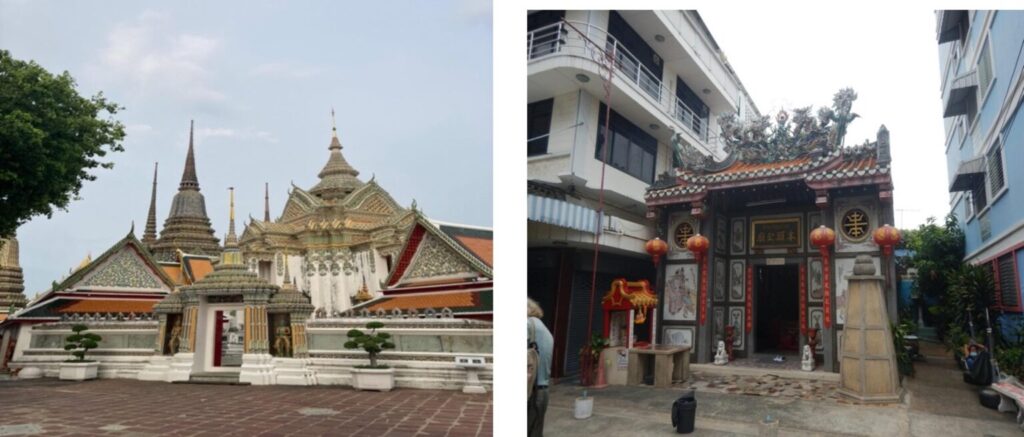
Left, entrance of Wat Pho วัดโพธิ์, a Buddhist monastic temple complex. Right, front entrance of Zhalanshaniweng Bentougong 乍蘭唦尼翁本頭公, a Chinese sanchao. Photos by Massimiliano Portoghese, 2023.
Currently, the large number of Chinese sanchao scattered around Bangkok face several threats. Their buildings struggle with issues such as humidity, flooding, dilapidation, and poor conditions. Natural factors combined with weak restoration programs and a lack of support from city planning are gradually leading these places of worship towards extinction. Given this situation, there is an urgent need for digital preservation and documentation of these endangered sites.
Among the few works published on Chinese temples in Bangkok, the key reference is Wolfgang Franke’s survey on Chinese epigraphic materials in Thailand dating back to 1998. Wolfgang Franke, the son of Otto Franke who was one of the most important founders of modern German sinology, dedicated himself to the study and documentation of Chinese epigraphy in Southeast Asia after retiring from his position (Chair of Sinology) at the University of Hamburg. Since Franke’s publication, only a few studies have focused on epigraphy in Thailand, mostly on inscriptions found on temples (City Planning Department Bangkok Metropolitan Area 2016; Duan 1996).
To address these research gaps, Christoph Anderl of Ghent University led a field trip to Bangkok from May 23 to June 3 2023, as part of the FROGBEAR (From the Ground Up: Buddhism and East Asian Religions) project Research Cluster 3.4 “Typologies of Text-Image Relations.” This project benefited from parallel investigations conducted by Marcus Bingenheimer (Temple University) and Paul McBain (Thammasat University), who produced 3D photography and VR modeling of Chinese temples in Bangkok, and by Oliver Streiter (National University of Kaohsiung) and Yoann Goudin’s (Université Jean Moulin Lyon 3) Thakbong Project, which focused on re-documenting and enriching the materials collected by Franke (Streiter, Bingenheimer, Zhan, To, and Shih 2019). Other specialists in fieldwork studies in Chinese Buddhist communities, such as Tzu-Lung Chiu 邱子倫 (National Chengchi University) and Ngar-Sze Lau 劉雅詩 (Chinese University of Hong Kong), joined the project by lending their fieldwork expertise and leading two of the five groups of researchers involved in the task.
When examining Franke’s black-and-white photographs collected twenty-five years ago, several research questions arise: What is beyond epigraphy? What it can tell us about social history and the development of Chinese religious communities in Bangkok? What has been preserved? What has been lost? What has been added? How many sanchao can be counted, and where are they located? Additionally, researchers should question the status of these sacred places: who is responsible for their maintenance? What is their significance for religious practices and why are they located in their respective neighborhoods? How do we identify and classify the wide range of objects found inside the temples? Lastly, how do we approach the concept of “Chineseness” in relation to these temples?
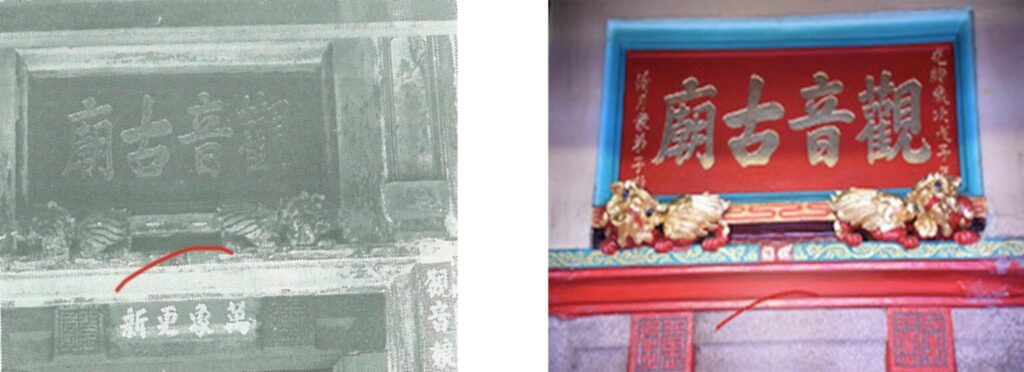
Above, an example of comparison between Franke’s publication (left, see Franke 1998, p. 102) and the high-resolution pictures (right) taken during this field trip by Christoph Anderl. The smaller tablet (萬象更新 “the ten-thousand phenomena transform and renew”) situated under the temple name plaque Guanyin gumiao 觀音古廟 (Old Guanyin Temple) at the time of Franke’s fieldwork has been removed.
The pantheon of deities featured in the Chinese sanchao is very heterogeneous, including Buddhist deities, tutelary gods, characters from Chinese history and literature, idols from popular religions, Daoist immortals, and even Indian-derived divinities such as Gaṇeśa, Brahmā, and Śiva. However, each temple tends to place special emphasis on one deity. The main god is typically located on the largest altar, while other divinities are scattered throughout the inner and outer spaces of the temple in the form of statues and paintings. Consequently, the researchers participating in the fieldwork were divided into five groups, with each group visiting temples associated with one main god or goddess: Guanyu 關羽/Guandi 關帝; Bentougong 本頭公; Guanyin 觀音; Mazu 媽祖/Tianhou 天后; and Xuan Tian 玄天. Collaborative efforts of the five groups revealed intersecting repertoires of deities and ritual practices within communities affiliated with diverse temples. Rich epigraphic material from the last two centuries still survives within Chinese sanchaos and graveyards in Thailand, particularly in the Bangkok area, and provides valuable insights into how various Chinese dialect immigrants adapted and thrived in the Thai environment.
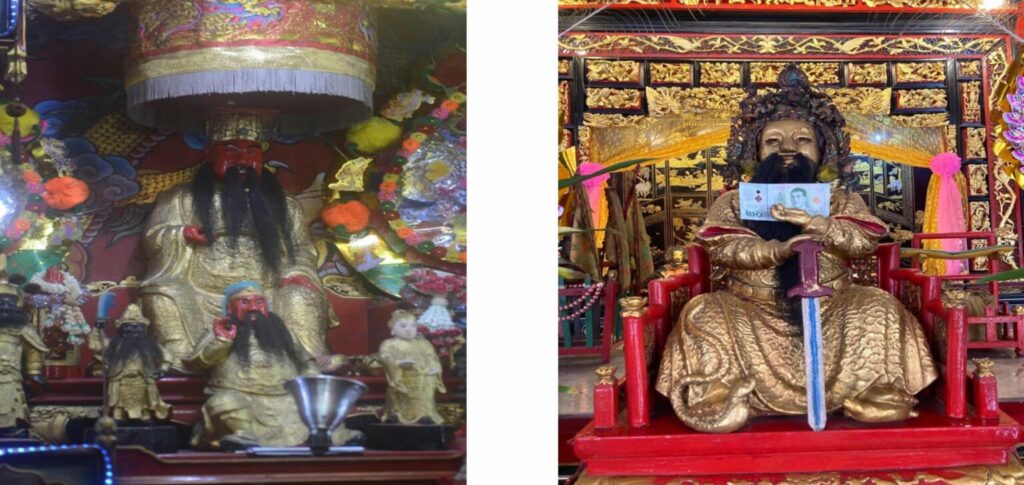
Left, close-up of a Guanyu altar in Xietian shangdi gumiao 協天上帝古廟. Right, close-up of a Xuan Tian altar in Dabentougong miao 大本頭公廟. Photos by Tzu-Lung Chiu (left) and Yoann Goudin (right), 2023.
During the ten days of fieldwork, the FROGBEAR research team documented over fifty temples by collecting high-quality images (including 3D images) and conducting interviews with practitioners and caretakers. The data is publicly accessible in FROGBEAR’s open-access databases to ensure preservation and free access to the documented materials for scholars and the general public alike. This fieldwork shaped the basis for an extensive dynamic archive of religious sites that can be further explored from various angles. However, there is still a great deal of further investigation and survey work to be undertaken. With threats such as pressure for relocation, inadequate funding, and a declining number of caretakers maintaining the temples, these sacred sites face significant risk of becoming lost. More research surveys and support are strongly encouraged to help preserve these Chinese sanchaos, and to ensure that they do not disappear from Bangkok’s diverse social, cultural and religious heritage. If these traditions fade away, their physical spaces will also be at risk of being lost.
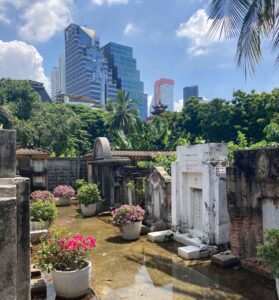
A Hakka graveyard in Bangkok. Photo by Massimiliano Portoghese, 2023.
Bibliography
City Planning Department Bangkok Metropolitan Area. 1996. Chinese Shrines: The Faith of Bangkok. Bangkok: Bangkok Metropolitan Administration.
Franke, Wolfgang 傅吾康, and Chen Tieh Fan 陳鐵凡. 1982–1987. Chinese Epigraphic Materials in Malaysia 馬來西亞華文銘刻萃編, vols. 1–3. Kuala Lumpur: University of Malaysia Press.
Franke, Wolfgang 傅吾康, Xiao Guojian, and Claudine Lombard-Salmon 蘇爾夢. 1988–1997. Chinese Epigraphic Materials in Indonesia 印尼華文銘刻彙編, vols. 1–3. Singapore: South Seas Society 南洋學會.
Franke, Wolfgang 傅吾康, and Porpan Juntaronanont 劉麗芳. 1998. Chinese Epigraphic Materials inThailand 泰國華文銘刻彙編, vols. 1–2. Taipei: Xinwenfeng chuban gongsi 新文豐出版公司.
Ho, Chuimei. 1995. “Chinese Temples in Bangkok. Sources of Data for 19th-Century Sino-Thai Communities”. Journal of The Siam Society 83, no. 1–2: 25–43.
Streiter, Oliver, Marcus Bingenheimer, Hanna Ya-Qing Zhan, Mandy Manwai To, and Syuan Fei Shih. 2019. “First Steps Towards Reviving Franke’s ‘Chinese Epigraphy in Southeast Asia’: Motivations, Approaches and Data Structures”. In Documenting and Researching Graveyards in Pacific Asia: Migration, Religion and Ethnicity (DRGPA2019): Proceedings, edited by Oliver Streiter, Man Wai To, and James X. Morris, 91–118. Taipei: Academia Sinica.
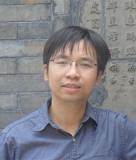 Dr. Yi Ding received his bachelor’s degree from Fudan University (2008) and his PhD in Religious Studies from Stanford University (2020). He is currently Assistant Professor at DePaul University.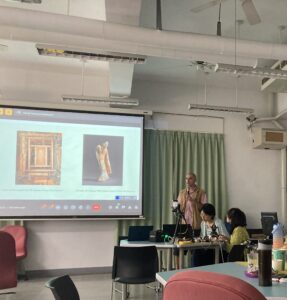
 Much philosophical thinking about religion in the Anglophone world has been hampered by the constraints of Eurocentrism, colonialism and orientalism. Addressing such limitations head-on, this exciting collection develops models for exploring global diversity in order to bring philosophical studies of religion into the globalized 21st century.
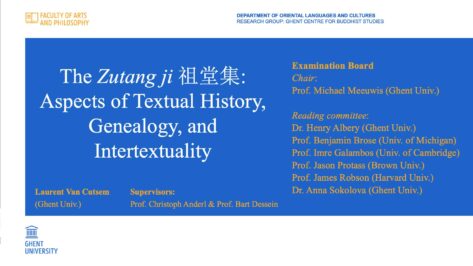 Title of the thesis: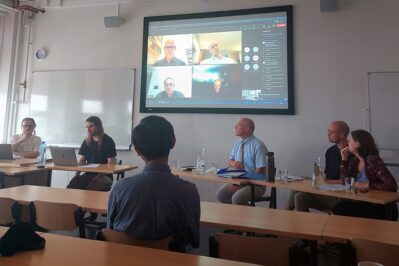
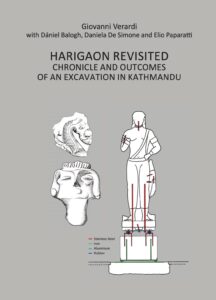 Giovanni Verardi, Dániel Balogh,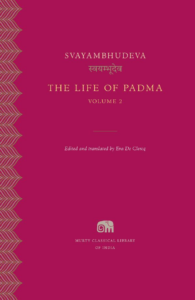
 GANDHĀRA CORPORA – Charles DiSimone